

Floral Wallpaper Is Defining the Next Wave of Pattern-Led Interiors
Florals are back in a big way, but this time they’re less about tradition and more about impact. What was once considered soft or decorative is now being used to create fully immersive spaces, with floral wallpaper taking on a more expressive, architectural role in interiors.
Across residential and commercial projects, designers are leaning into scale, saturation, and repetition. Think oversized blooms, dense botanical patterns, and walls that feel layered rather than flat. The shift is part of a broader move toward interiors that feel personal, dimensional, and visually engaging from the moment you walk in.
Brands like Fancy Walls are driving this evolution, offering floral wallpaper that moves beyond the expected. With thousands of designs ranging from detailed botanicals to more graphic interpretations, the focus is on flexibility, allowing patterns to adapt to the space rather than the other way around.
What’s defining the current moment is how floral wallpaper is being used. Instead of a single accent wall, designers are wrapping entire rooms, creating what feels like a continuous surface. Powder rooms, bedrooms, and even commercial interiors are being “pattern drenched,” using florals to build atmosphere and depth. It’s less about adding decoration and more about shaping the experience of the space.

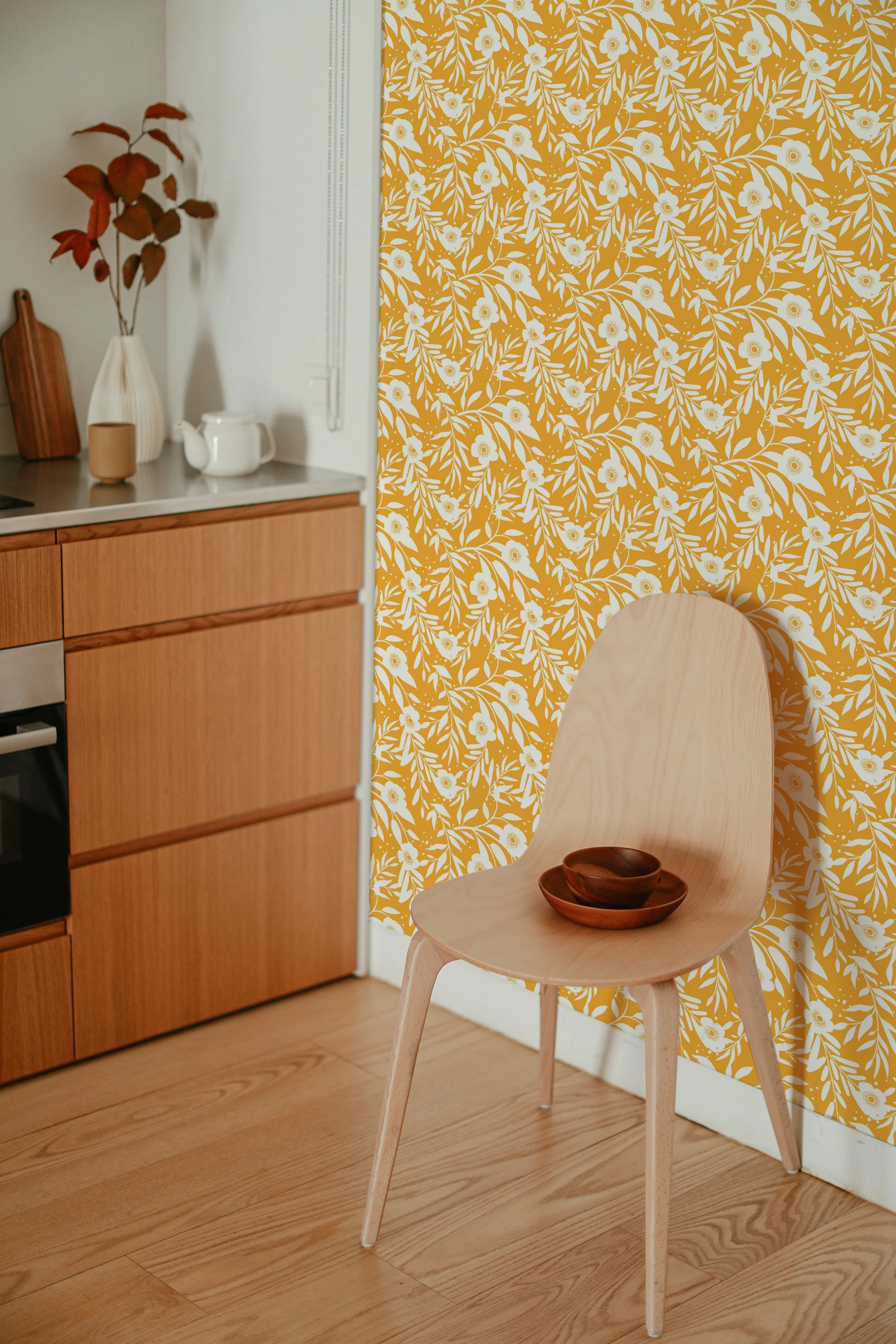
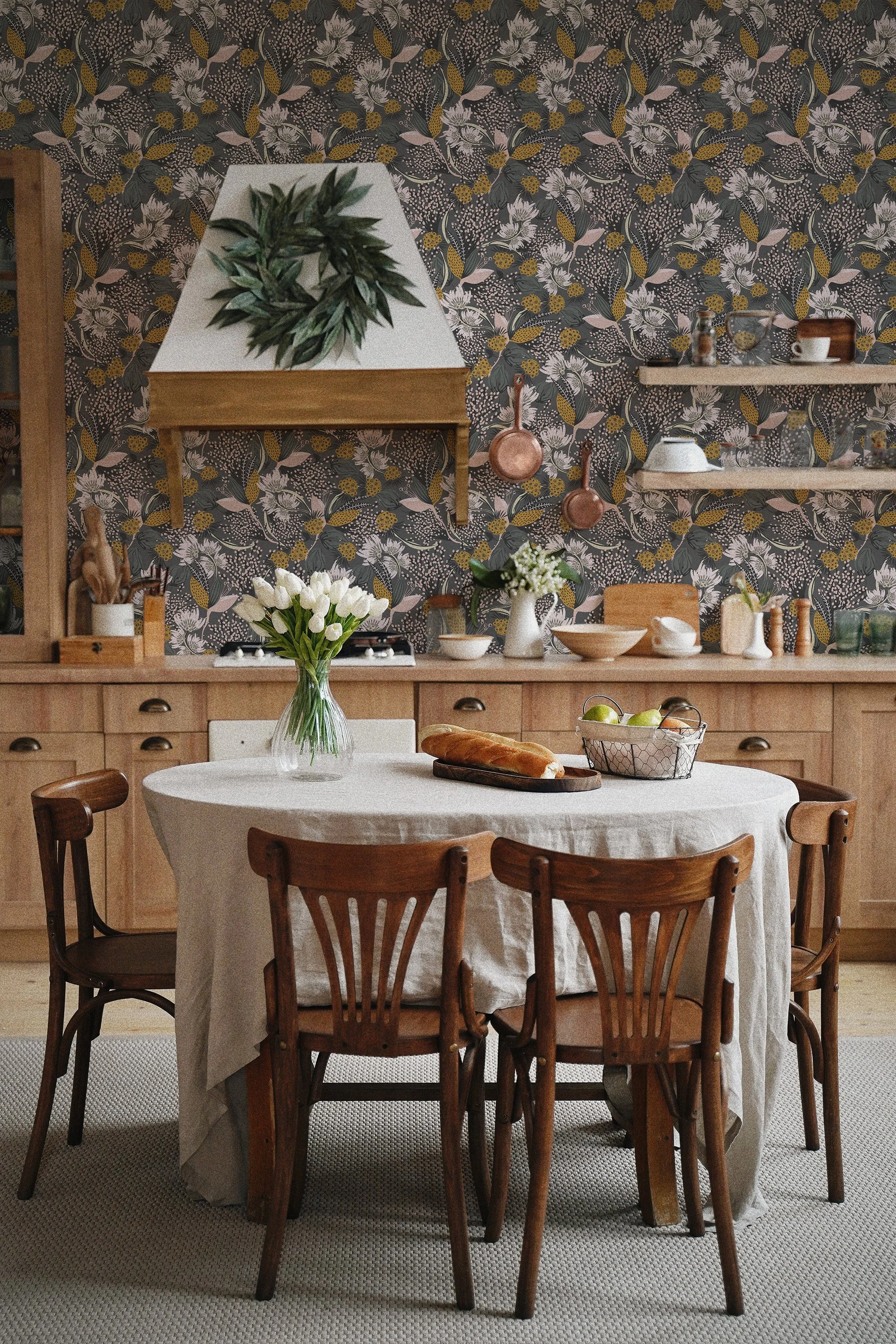
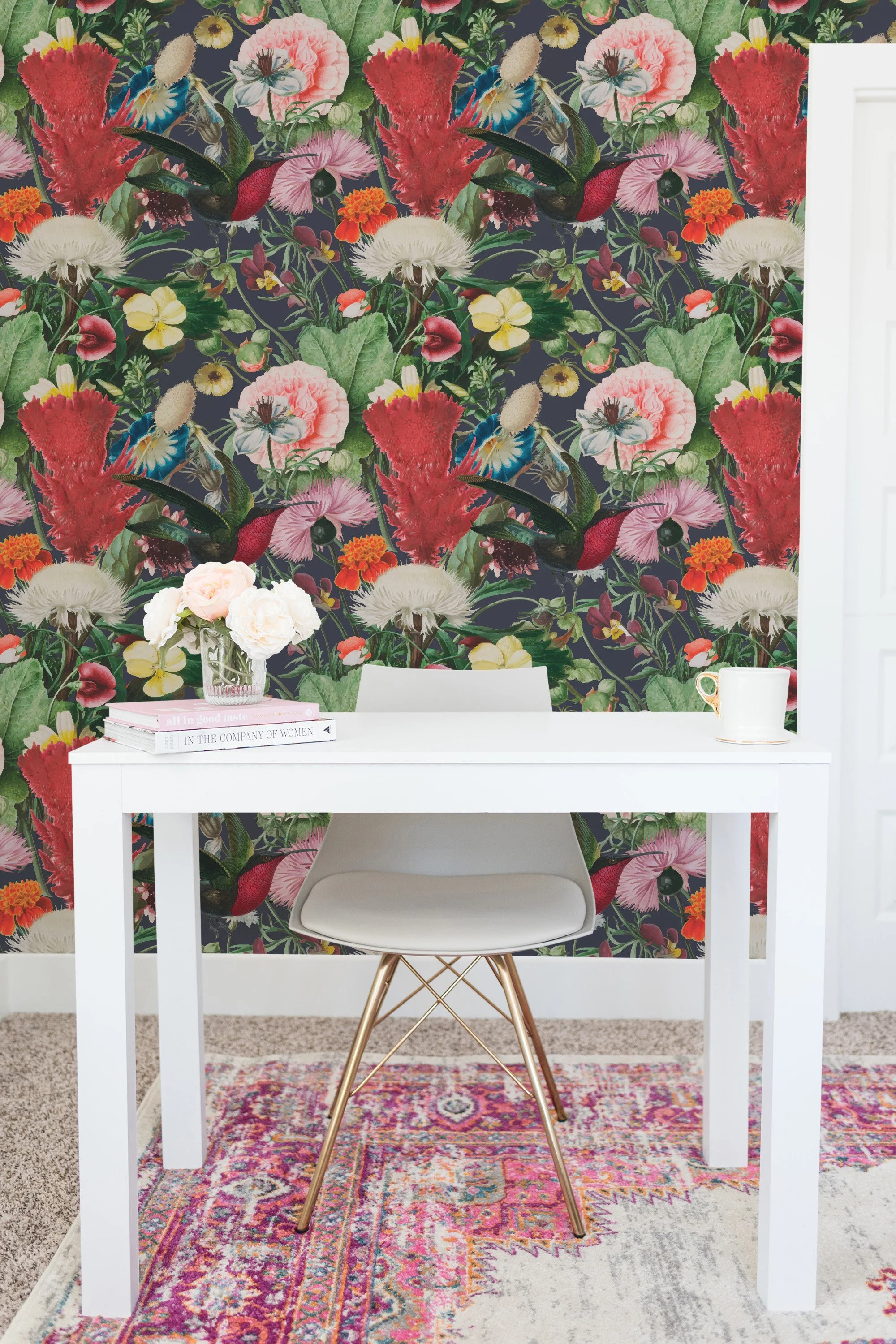
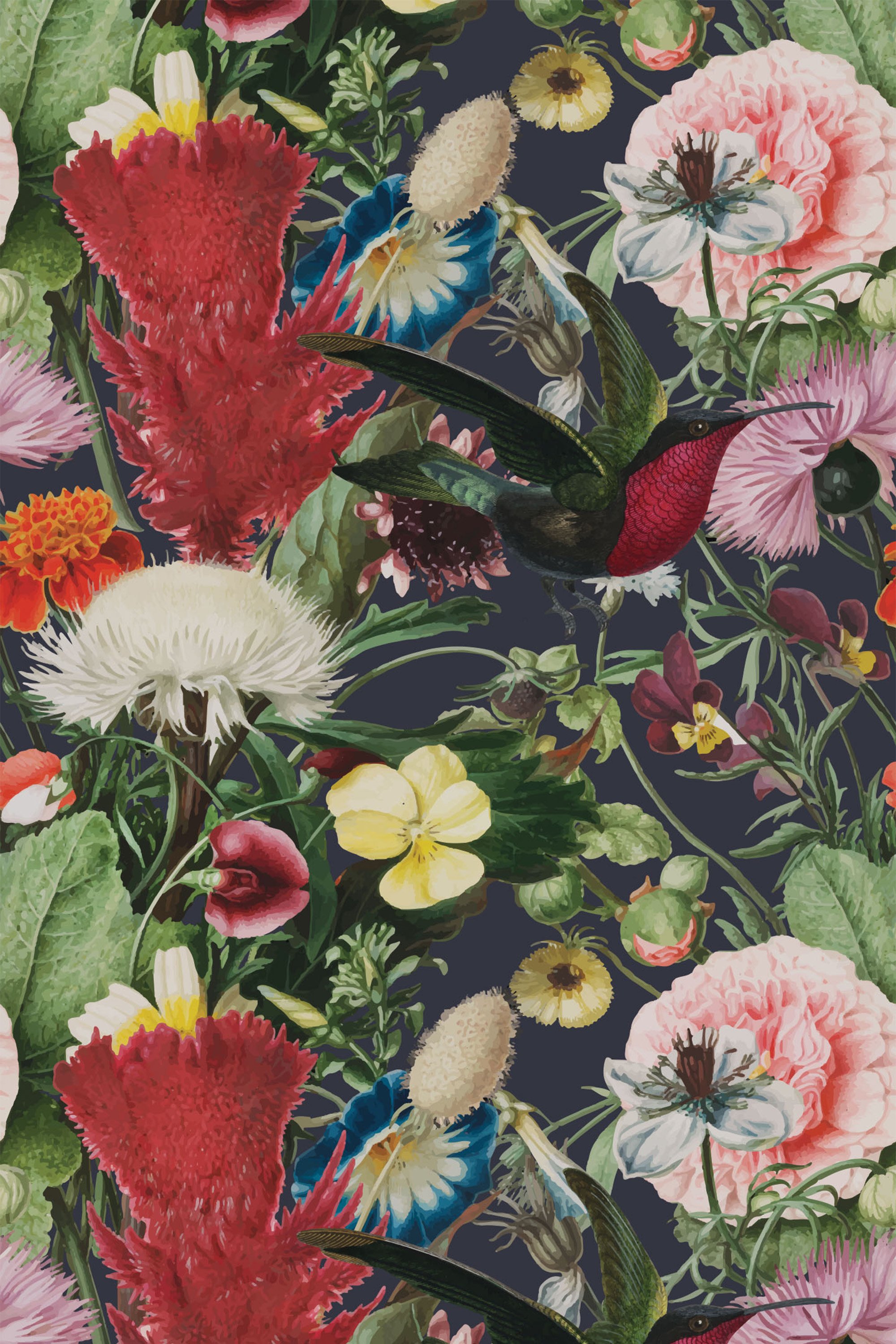
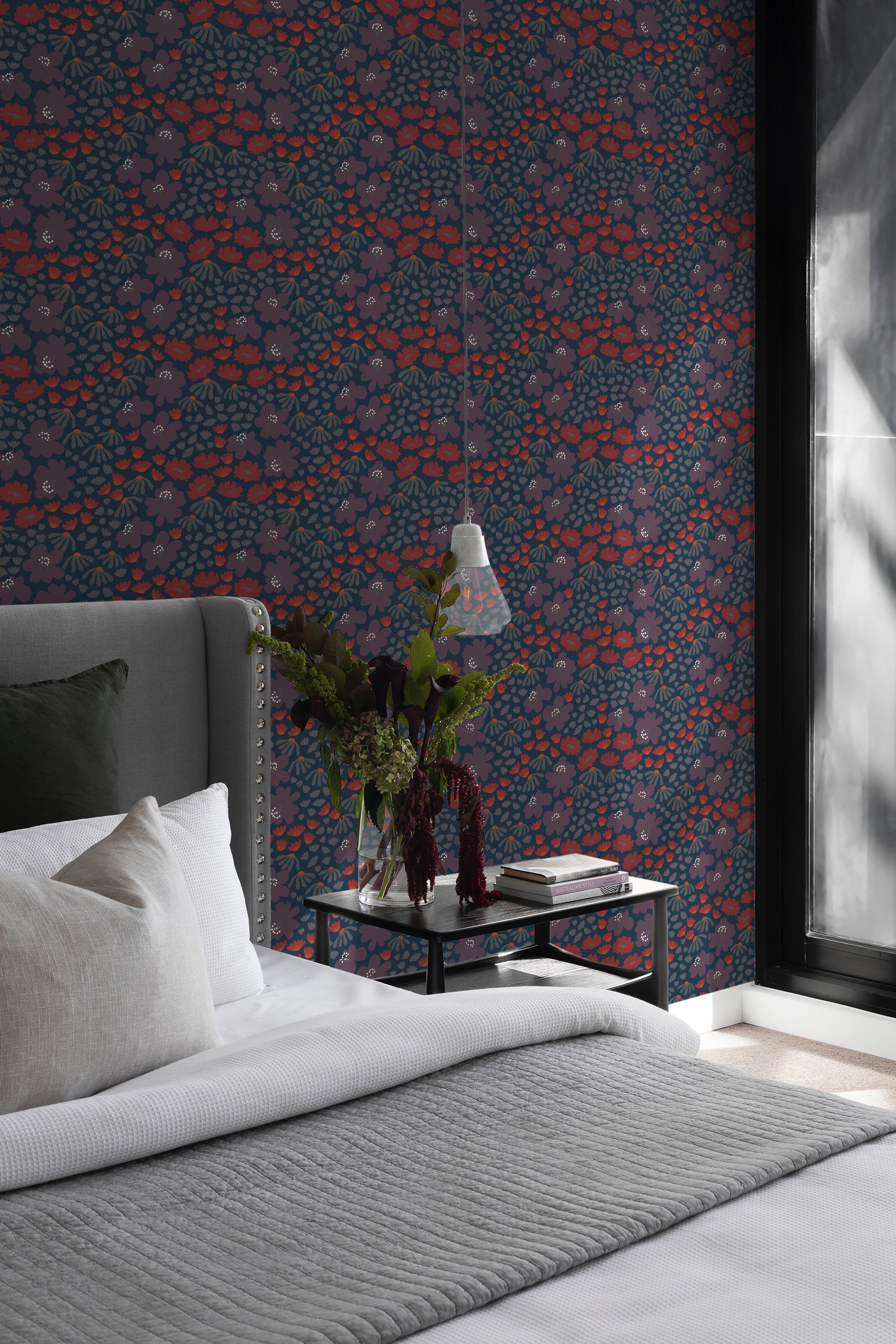
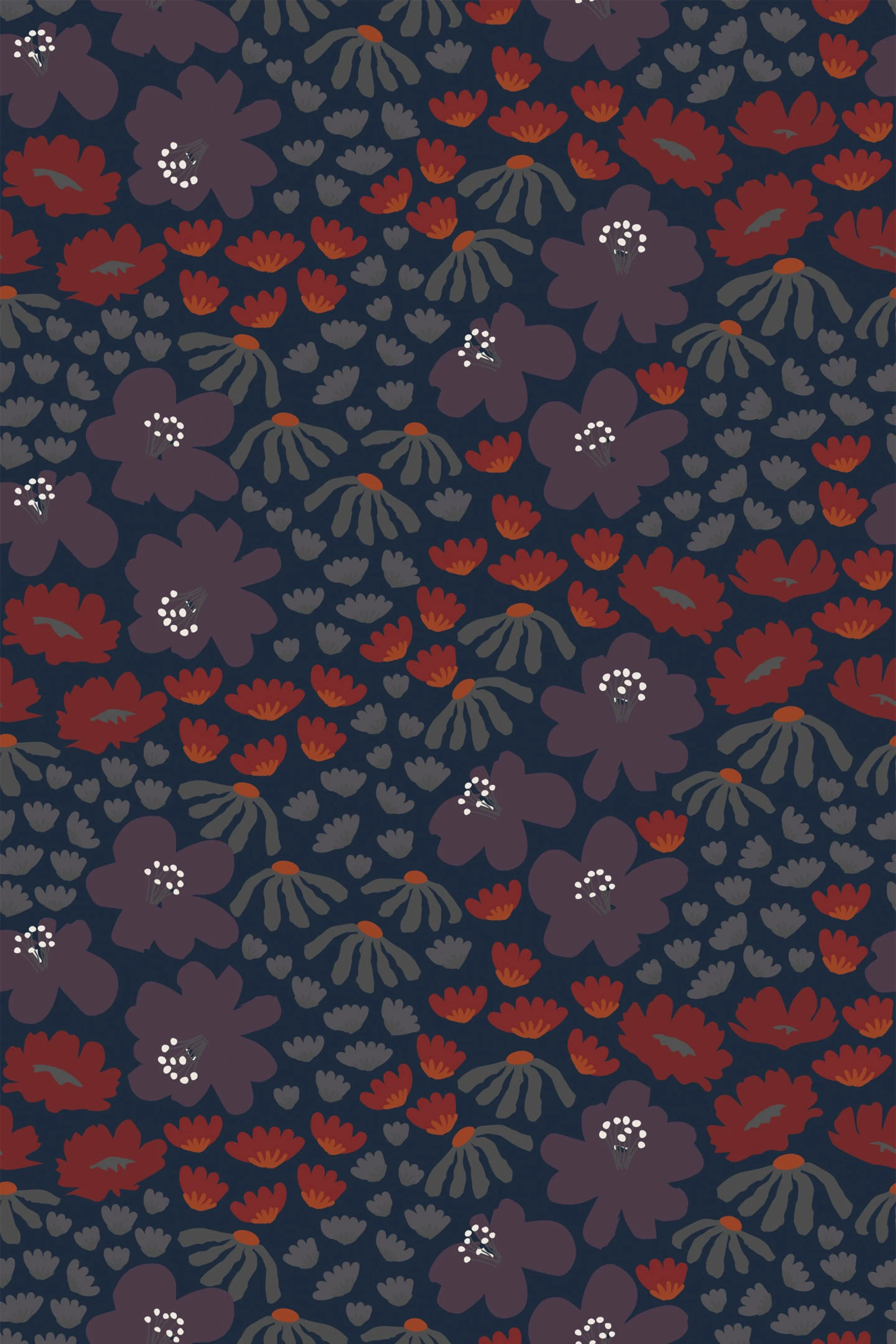
There’s also a noticeable shift in palette and composition. Florals are moving into moodier tones, unexpected color pairings, and larger repeats that read almost like murals. At the same time, softer, tonal botanicals are still in play, offering a quieter version of the trend for spaces that call for restraint. This range is part of what makes the category so relevant right now, it can flex between bold and subtle without losing its identity.
Fancy Walls leans into this adaptability through customization. Their wallpapers are made to order, allowing adjustments in scale, color, and layout, which gives designers more control over how a floral pattern interacts with a room. Options like peel-and-stick and traditional formats also make it easier to apply the trend across different types of projects, from temporary updates to more permanent installations.
As interiors continue to move toward layered, expressive design, floral wallpaper is becoming less of a background element and more of a focal point. It brings movement, texture, and a sense of immersion that flat surfaces often lack.
This isn’t a return to traditional florals. It’s a reworking of the category into something more directional, more flexible, and more aligned with how spaces are being designed today.